

Commercial Roof Leaks Often Linked to Installation, Weather Exposure, and Maintenance Factors
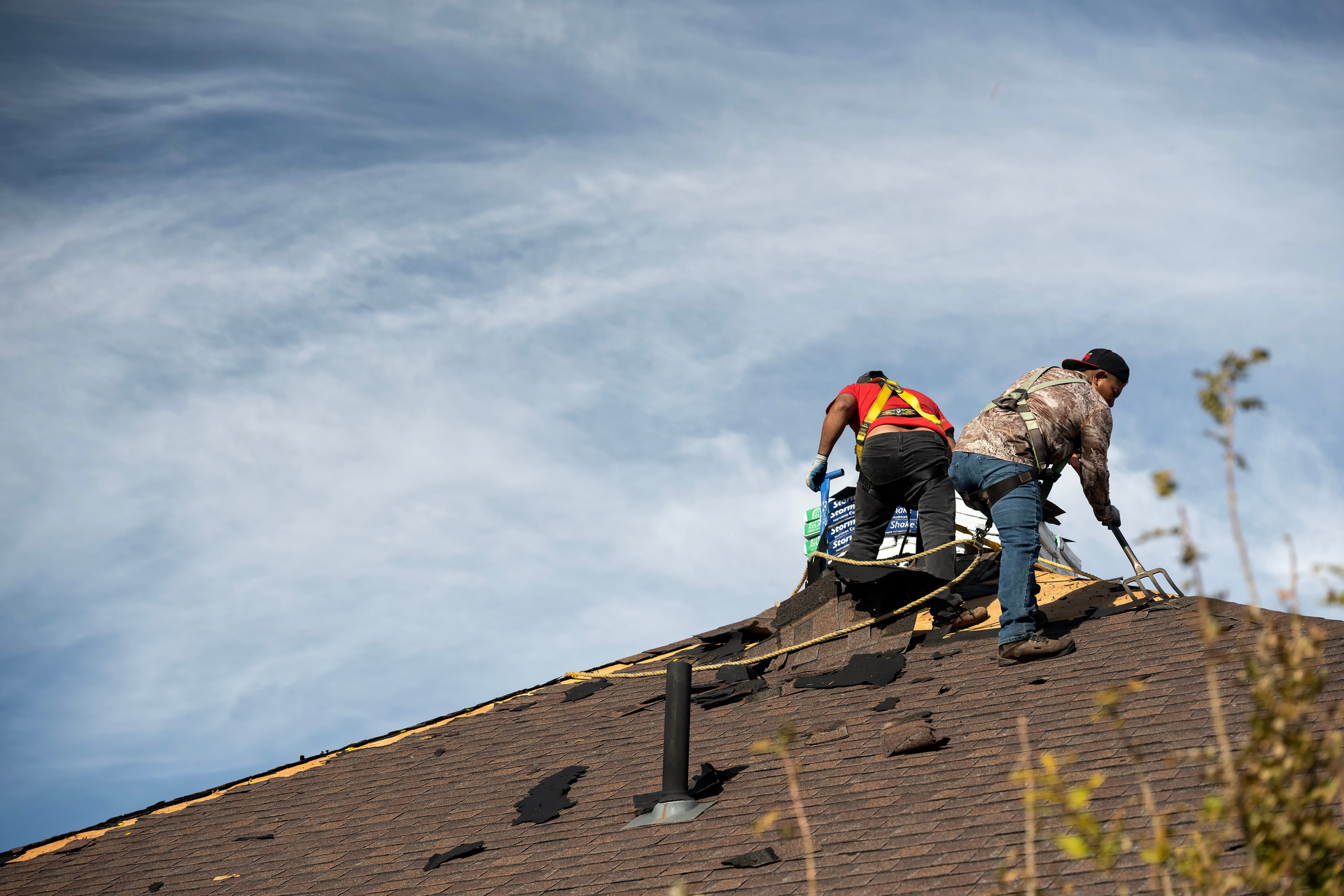

Commercial roof leaks often develop from a combination of conditions rather than a single cause”
WISCONSIN RAPIDS, LA, UNITED STATES, April 6, 2026 /EINPresswire.com/ -- Commercial roof leaks are a common concern for property owners and facility managers, often resulting from a combination of environmental exposure, material wear, and installation-related factors. Understanding the underlying causes of these leaks is an important step in maintaining structural integrity and preventing long-term damage.— Thad Brown
Commercial roofing systems are designed to withstand a range of conditions, including temperature fluctuations, precipitation, and wind. Over time, however, these conditions can contribute to gradual deterioration. The materials used in commercial roofs, such as membranes, coatings, and sealants, are subject to expansion, contraction, and exposure that can weaken their effectiveness.
One of the most frequently observed causes of roof leaks involves membrane damage. Flat and low-slope commercial roofs often rely on membrane systems to provide a waterproof barrier. These membranes can develop punctures, tears, or seam separations due to foot traffic, debris, or natural aging. Even minor damage can allow water to penetrate the roofing system and reach underlying layers.
Seam failure is another contributing factor. Many commercial roofing systems involve overlapping materials that are sealed together. Over time, these seams can weaken due to thermal movement or improper installation. When seams begin to separate, water can enter through these gaps and travel along the roof structure before becoming visible inside the building.
Flashing plays a critical role in preventing leaks around roof penetrations such as vents, HVAC units, and skylights. Flashing materials are designed to create a watertight seal at these transition points. If flashing is improperly installed, deteriorates over time, or becomes displaced, it can create entry points for water.
Drainage issues are also commonly associated with roof leaks. Commercial roofs are typically designed with slight slopes or drainage systems to direct water away from the surface. When drains become clogged or slopes are insufficient, water can accumulate and form standing pools. This condition, often referred to as ponding water, increases the likelihood of leaks by placing additional stress on roofing materials.
Weather-related factors contribute significantly to roof performance. In regions that experience temperature extremes, roofing materials expand and contract repeatedly. This movement can lead to cracking, splitting, or loosening of components over time. Snow accumulation, ice formation, and heavy rainfall can further impact the condition of the roof.
Wind exposure is another element that can affect roofing systems. Strong winds can lift or displace materials, particularly if edges and seams are not properly secured. Once materials are compromised, water intrusion becomes more likely during subsequent weather events.
Maintenance practices play a role in identifying and addressing potential issues before they develop into leaks. Regular inspections can reveal early signs of wear, such as loose seams, damaged flashing, or debris accumulation. Without routine maintenance, small issues may go unnoticed until water infiltration becomes apparent.
Thad Brown, founder and owner of Dynamic Alliance Roofing LLC, discussed the importance of recognizing these contributing factors.
“Commercial roof leaks often develop from a combination of conditions rather than a single cause,” said Thad Brown. “Material movement, drainage performance, and installation details all influence how a roof performs over time.”
Roof penetrations represent another area where leaks may originate. Equipment installations, repairs, or modifications can introduce new openings in the roofing system. If these penetrations are not properly sealed, they can become points of water entry.
In some cases, leaks are linked to aging materials. Roofing systems have a defined lifespan, and components may degrade as they approach the end of that period. Exposure to ultraviolet radiation, moisture, and environmental contaminants can accelerate this process.
Insulation layers beneath the roof surface can also be affected once water intrusion occurs. Wet insulation loses effectiveness and can contribute to further structural concerns if not addressed. Identifying leaks early helps limit the extent of damage to underlying materials.
Construction quality is another factor that influences long-term performance. Improper installation techniques, inadequate sealing, or inconsistent material application can create vulnerabilities within the roofing system. These issues may not become apparent immediately but can lead to problems as the roof is exposed to environmental conditions.
The complexity of commercial roofing systems means that multiple components must function together to prevent leaks. Membranes, seams, flashing, drainage systems, and structural elements all contribute to the overall performance of the roof. A failure in any one of these areas can affect the system as a whole.
Understanding the common causes of commercial roof leaks provides insight into how these systems operate and how they respond to environmental conditions. By recognizing the factors that contribute to water intrusion, property owners and managers can better assess the condition of their roofs and address potential concerns.
As commercial properties continue to operate under varying environmental conditions, the importance of maintaining roofing systems remains a key consideration. Identifying and understanding the causes of leaks supports more informed decisions regarding inspection, maintenance, and long-term planning.
Morgan Thomas
Rhino Digital, LLC
+1 504-875-5036
email us here
Visit us on social media:
Facebook
Legal Disclaimer:
EIN Presswire provides this news content "as is" without warranty of any kind. We do not accept any responsibility or liability for the accuracy, content, images, videos, licenses, completeness, legality, or reliability of the information contained in this article. If you have any complaints or copyright issues related to this article, kindly contact the author above.
